
37 models
Antistatic Footwear
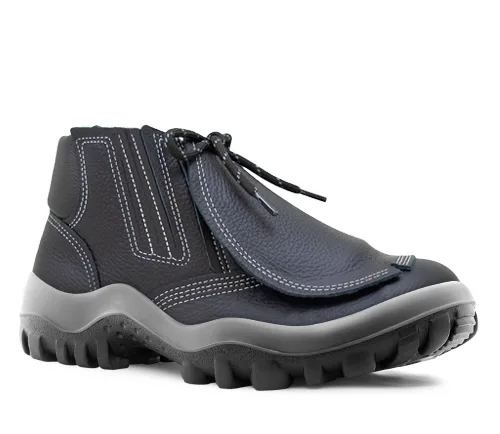
Elastic-Sided Ankle Boot with External Metatarsal Protection
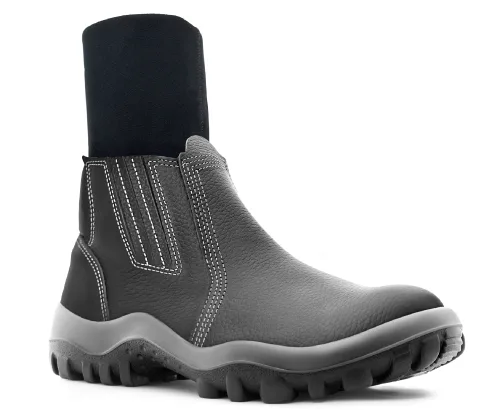
ELASTIC-SIDED BULK MATERIAL BOOT
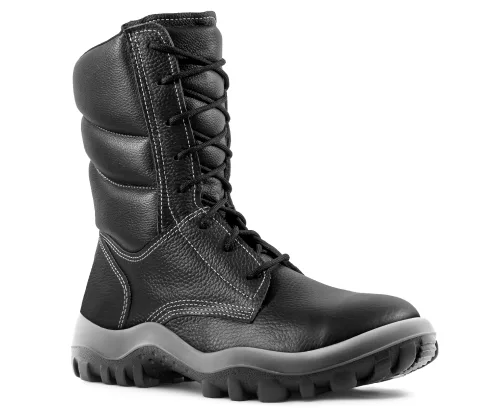
ANTI-TORSION BOOT

BROWN Miura VELCRO NOBUCK BOOT
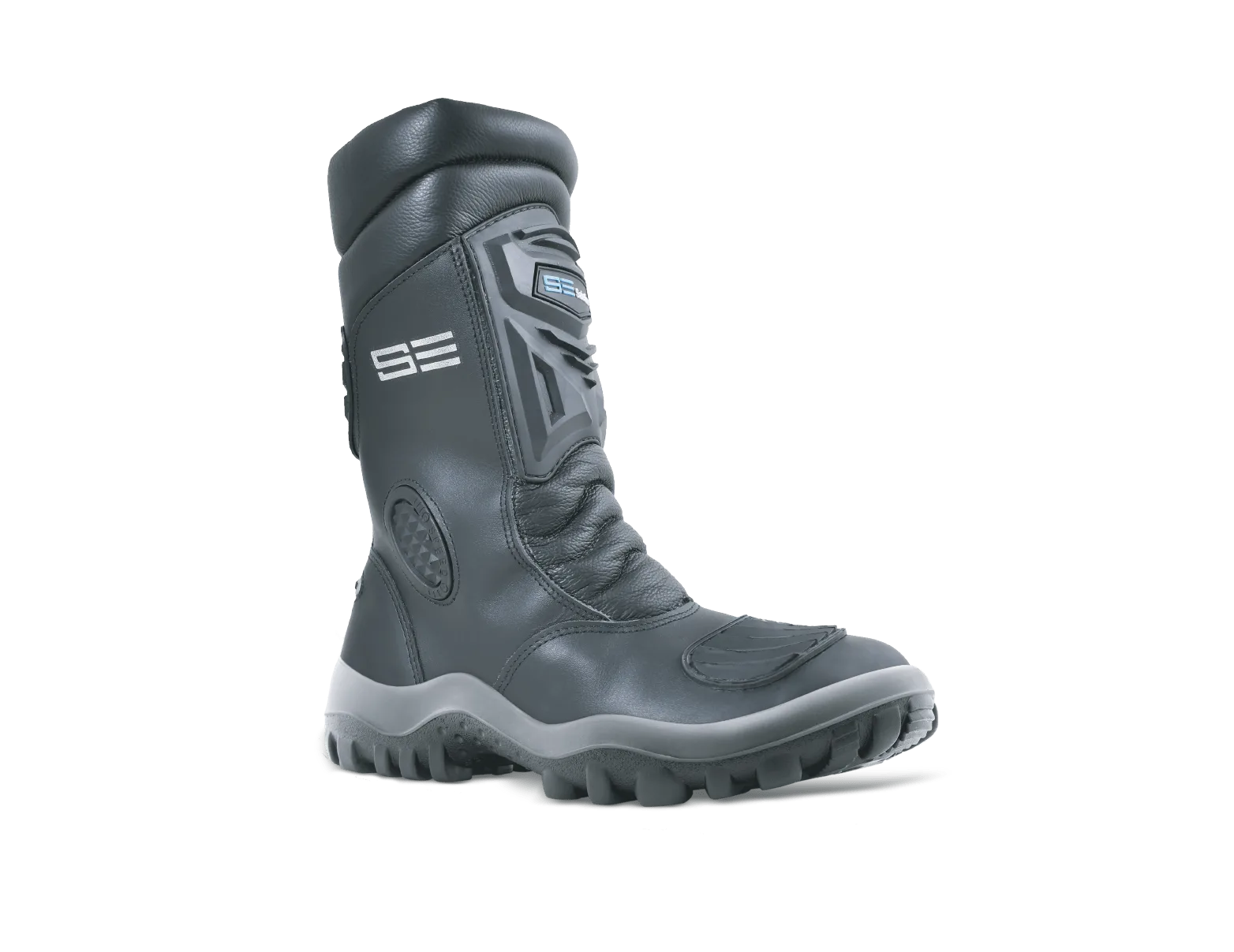
Motorcycle Boot

White Padded Elastic Safety Shoe
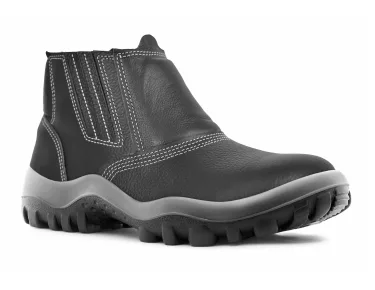
PADDED ELASTIC ANKLE BOOT
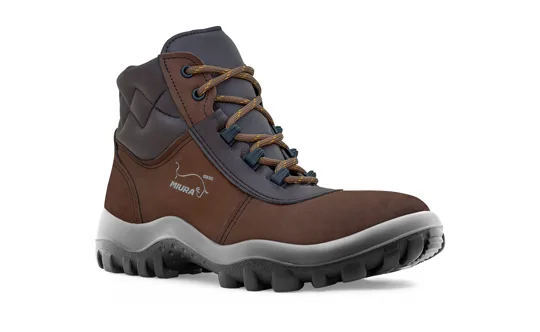
Miura Safety Boot in Brown Nobuck
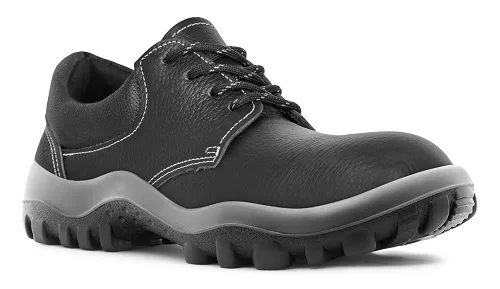
PADDED LACE-UP SHOE
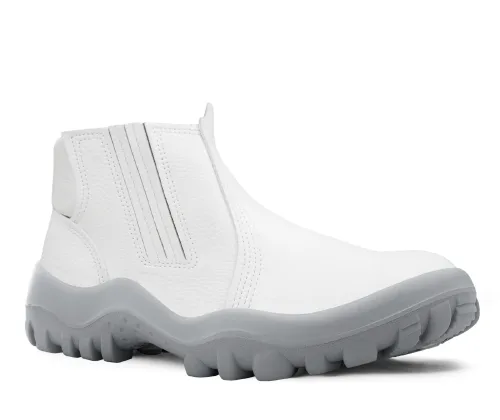
White Elastic Safety Boot with Full Vamp

Evolution Lace-Up Safety Shoe
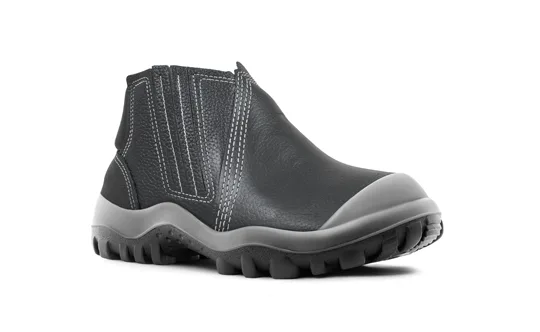
INTERNAL METATARSAL CANE BOOT

Tênis Evolution Air

Cold Storage Boot

Miura Ankle Boot
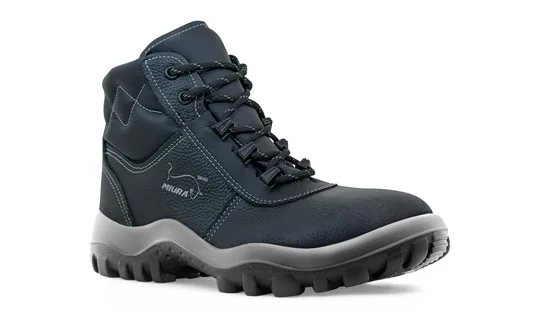
Gran Luxo Brown Lace-up Boot

Manobreiro

FORESTRY BOOT

Botina Miura in Caramel Nobuck
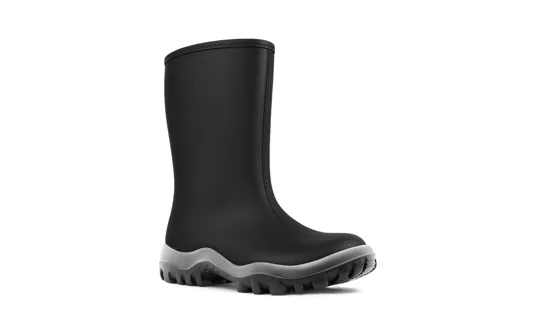
MICROFIBER OIL RIG BOOT

White Padded Elastic Safety Boot

Evolution Black and Red Lace-up Boot

Padded Lace-up Shoe White

Lince Lace-up Boot

Cold Storage Boot with Velcro Closure
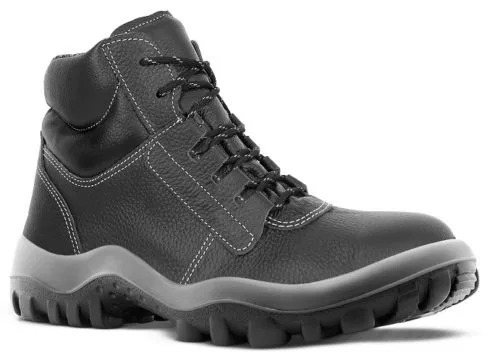
Waterproof Safety Boot
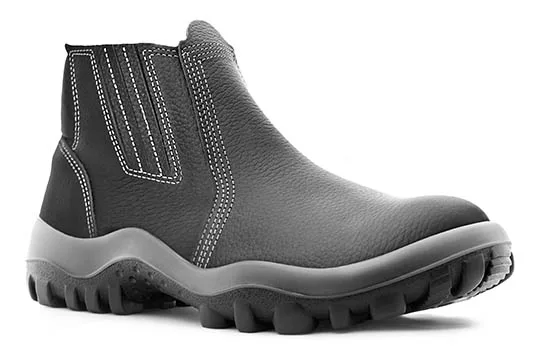
FULL VAMP ELASTIC-SIDED BOOT
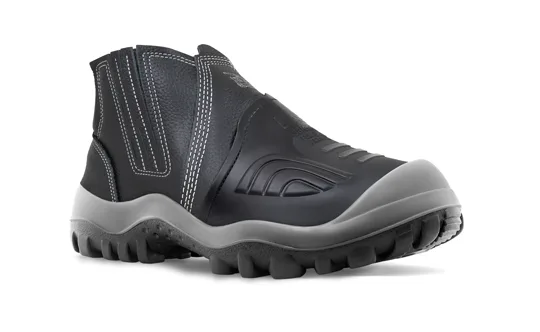
SUGARCANE BOOT WITH PROTECTIVE OVERLAY

PADDED ELASTIC SHOE

Evolution Air Safety Shoe with SafetDisc
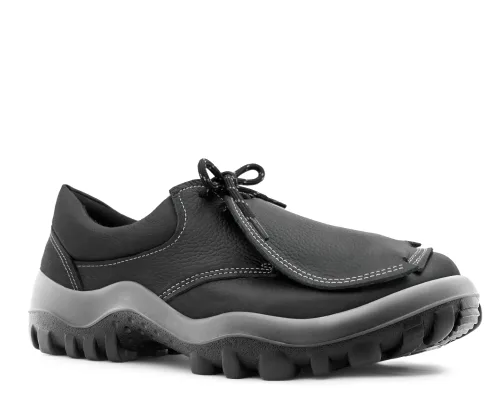
Lace-up Shoe with External Metatarsal Protection
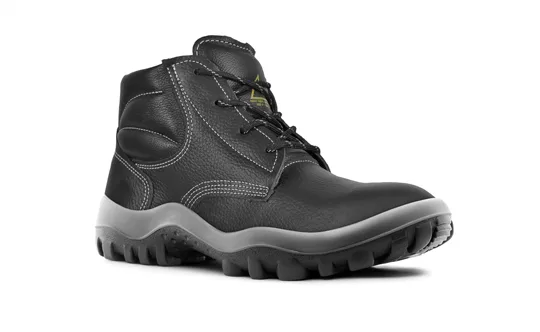
PADDED THREE-PANEL LACE-UP BOOT

CHAINSAW BOOT

MOTORCYCLIST ANKLE BOOT WITH VELCRO CLOSURE

Supreme Insole

Premium Insole

Lace-up Anti-torsion Switchman Safety Boot with External Metatarsal Guard
Learn more
about antistatic footwear
What is Antistatic Footwear?
Antistatic footwear is Personal Protective Equipment (PPE) primarily designed to dissipate static electricity accumulated on the user's body to the ground in a controlled manner. Unlike insulating (dielectric) footwear, which prevents the passage of electric current and protects against shocks, antistatic footwear has a specific electrical resistance that allows for the gradual discharge of electrostatic charges. This characteristic is vital in environments where the accumulation of static electricity can generate significant risks, such as damage to sensitive equipment or the ignition of flammable materials.
We, at Safetline, with 50 years of experience in manufacturing safety footwear in Hortolândia-SP, understand the complexity and importance of each type of protection. Our antistatic footwear is developed with materials and technologies that ensure safe charge dissipation, maintaining process integrity and employee safety.
Who is Antistatic Footwear For?
The use of antistatic footwear is indispensable in a wide range of sectors and work environments where electrostatic discharge poses a danger. We recommend this type of PPE for professionals working in:
- Electronics and Semiconductor Industries: To protect sensitive electronic components (ESD - Electrostatic Discharge) against irreversible damage caused by static discharges.
- Clean Rooms: Where particle contamination and electrostatic interference must be minimized.
- Chemical and Petrochemical Sectors: In areas with flammable gases, vapors, or dusts, where a static spark can cause explosions or fires.
- Automotive Industry: In the assembly of electronic components and in painting areas.
- Data Centers and Laboratories: To protect servers, high-tech equipment, and sensitive experiments.
- Pharmaceutical Industry: In the handling of substances and in controlled environments.
For EHS managers and purchasing managers, choosing the appropriate antistatic footwear is a strategic decision that directly impacts operational safety and compliance with regulatory standards.
Technical Attributes and Standards for Antistatic Footwear
Footwear is considered antistatic when its electrical resistance is within a specific range, generally between 100 kΩ and 100 MΩ, as established by technical standards. This range ensures that static electricity is dissipated without the footwear becoming a dangerous conductor in case of contact with electrical power sources. Relevant protective attributes for antistatic footwear include:
- A (Antistatic): This is the main attribute, indicating the capacity for electrostatic charge dissipation.
- E (Impact): Impact protection at the toecap, essential in many industrial environments.
- SRC (Slip Resistance): Slip resistance on ceramic floors with detergent and on steel floors with glycerol, fundamental for preventing accidents.
- FO (Fuel Oil Resistance): For environments where there is contact with oils and derivatives.
We manufacture our antistatic footwear in compliance with ABNT NBR ISO 20345 or ABNT NBR ISO 20347 (for footwear without protective toecaps), which establish the requirements for safety, protective, and occupational footwear. All our products have the Certificado de Aprovação (CA) issued by the Ministry of Labor and Employment, guaranteeing the quality and effectiveness of the PPE.
The Safetline Solution in Antistatic Footwear
At Safetline, we are dedicated to offering safety solutions that meet the most rigorous market demands. Our line of antistatic footwear is developed with a focus on innovation, comfort, and durability, without compromising safety. We use high-quality materials and advanced technologies to ensure that our footwear provides effective electrostatic charge dissipation.
We offer antistatic models in various configurations, which may include outsoles such as Falcon PU/PU and Falcon PU/TPU, known for their resistance and comfort, or Andaluz, depending on the specific needs of each environment. Our options aim to meet the demands of different sectors, from the electronics industry to environments with explosion risk, always with the guarantee of a certified and reliable product.
Proper Selection and Maintenance
The selection of the correct antistatic footwear must be preceded by a detailed risk analysis of the work environment. It is crucial that the footwear is suitable not only for static dissipation but also for other present risks, such as impact, perforation, or slipping. We recommend that, after purchase, the footwear be used and maintained according to the manufacturer's instructions. Regular cleaning and visual inspection are important to maintain the protective properties of the footwear. In critical environments, periodic testing of the footwear's electrical resistance may be necessary to ensure its continuous functionality. Count on Safetline to guide your company in choosing the ideal PPE, ensuring the complete protection of your employees.
Frequently Asked Questions
Antistatic footwear dissipates static electricity from the body to the ground in a controlled manner, preventing charge accumulation. Insulating (dielectric) footwear prevents the passage of electrical current, protecting against electrical shocks.
It is recommended in electronics industries, clean rooms, chemical and petrochemical sectors, automotive, data centers, and laboratories, where static discharge can damage equipment or cause explosions.
Our antistatic footwear is identified with the 'A' attribute in its technical specifications and in the Certificate of Approval (CA), indicating compliance with static dissipation standards.
No, antistatic footwear does not provide protection against electrical shocks. For this purpose, insulating (dielectric) footwear is required, which prevents the passage of current.
Other categories you may be interested in
Ordering in volume?
Talk directly to the factory.
Dedicated service for companies, EHS managers and distributors. Custom quotes based on volume and industry.
Request a quote