



Learn more
about insoles and accessories
Safety Insoles and Accessories: The Foundation of Foot Protection
In industrial and work environments, employee safety is a non-negotiable priority. We, at Safetline, with 50 years of experience in manufacturing safety footwear in Hortolândia-SP, understand that protection goes beyond the upper and the sole. The safety insole is a fundamental component of Personal Protective Equipment (EPI), acting as a crucial barrier against risks and providing the necessary comfort for the workday.
What Are Safety Insoles and What Is Their Function?
A safety insole is an internal component of footwear, designed to offer additional protection and comfort to the user's feet. It can have various functions, depending on the specific risk of the work environment. Insoles are essential to complement the protection offered by the footwear, distributing weight, absorbing impacts, and, in specific cases, protecting against perforations.
For those seeking a robust solution against sharp objects, the puncture-resistant insole is indispensable. This type of insole is developed with high-resistance materials, such as aramid (Kevlar) or steel, capable of preventing nails, screws, glass shards, or other debris from perforating the sole of the footwear and reaching the worker's foot. Its presence is vital in sectors such as civil construction, metallurgy, logistics, recycling, and any environment where there is a risk of stepping on sharp objects.
Who Are Safety Insoles and Accessories Indicated For?
Our insoles and accessories are developed to meet the needs of OHS managers, purchasing managers, and, primarily, workers across various segments. Industries such as automotive, chemical, food (Linha Branca), civil construction, security services (Brabus), and even sectors requiring thermal (Vulcano) or electrical (Lince) protection, directly benefit from the use of appropriate insoles.
Choosing the correct insole is an investment in employee health and safety, directly impacting productivity and reducing workplace accidents. We at Safetline, focus on offering solutions that ensure compliance with Regulatory Standards (NRs) and maximum protection for each type of activity.
Technical Attributes and Types of Protection Offered
Safety insoles can feature a variety of technical attributes, each designed for a specific type of risk or need:
- Puncture-Resistant Insole· As mentioned, this is the main feature for environments with perforation risk. Materials like aramid offer lightness and flexibility, while steel provides maximum resistance. The EN ISO 20345 standard, for example, establishes requirements for puncture resistance (P).
- Comfort and Ergonomics· Insoles made of PU (Polyurethane) or EVA (Ethyl Vinyl Acetate) are designed to absorb impacts, distribute plantar pressure, and reduce fatigue, especially during prolonged work shifts. They contribute to user well-being, preventing pain and musculoskeletal injuries.
- Antibacterial and Antifungal· Many of our footwear already incorporate insoles with antimicrobial treatment, which prevents the proliferation of bacteria and fungi, combating odors and maintaining foot hygiene. This is particularly important in humid environments or for workers who wear footwear for many hours.
- Sweat Absorption· Insoles with materials that absorb and dissipate moisture help keep feet dry, preventing blisters and discomfort.
- Antistatic· For environments where static energy accumulation is a risk, insoles with antistatic properties are crucial for safely dissipating this charge.
Safetline Solutions in Insoles and Accessories
We at Safetline, design our footwear to offer complete protection, and insoles are an integral part of this solution. Although we do not market individual insoles as primary products, the quality of the insoles that accompany our footwear is a differentiator.
- Assembly Insoles· Our footwear is already manufactured with assembly insoles that incorporate puncture protection when required by the EPI standard. For example, footwear for environments with perforation risks already features steel or aramid insoles, ensuring compliance and safety from manufacturing.
- Comfort Insoles· Our lines such as Miura, Evolution, and Brabus, for example, are equipped with anatomical and antimicrobial comfort insoles, which provide well-being and hygiene, essential for daily use.
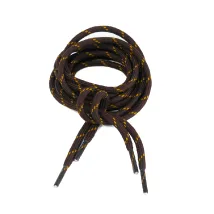
- Accessories· In addition to internal insoles, we offer laces and other components that ensure the functionality and durability of our footwear.
It is fundamental to understand that the insole is a component of the safety footwear EPI. Certification and the CA (Certificado de Aprovação) are issued for the complete footwear, which includes the insole. Therefore, when purchasing Safetline footwear, you are acquiring an EPI with all its components duly tested and approved, ensuring the necessary protection.
Certification and Compliance with NRs
All our safety footwear, and consequently their integrated insoles, undergo rigorous tests and certifications. We guarantee that each model meets or exceeds the requirements of Brazilian technical standards (ABNT NBR ISO) and international standards (EN ISO), in addition to complying with the Regulatory Standards of the Ministry of Labor and Employment, such as NR 6, which deals with EPIs.
The CA of each Safetline footwear certifies that the product has been evaluated and approved for protection against the specific risks for which it was designed, including the protection offered by the insole. By choosing Safetline, you are assured of investing in EPIs that meet all legal and safety requirements.
Recommendation for Use and Maintenance
To ensure the effectiveness of the safety insole and the durability of the footwear, some recommendations are important:
- Correct Choice· Ensure that the footwear and, by extension, the insole, are suitable for the specific risks of the work environment. For perforation risks, the puncture-resistant insole is mandatory.
- Appropriate Size· The footwear must be the correct size for the user's foot, ensuring that the insole fits perfectly and offers the expected support and protection.
- Hygiene· Keep insoles clean and dry. If the footwear allows removal, take them out periodically to air.
- Replacement· Insoles, like footwear, have a lifespan. If they show excessive wear, deformation, or loss of their protective and comfort properties, they should be replaced (along with the footwear, if they are integrated and not removable).
We at Safetline, are committed to providing complete foot protection solutions. Our insoles, as an integral part of our footwear, are designed to offer the safety, comfort, and durability your employees deserve.
Frequently Asked Questions
The safety insole is crucial to protect the feet against impacts, punctures, and to provide ergonomic comfort, reducing fatigue and preventing accidents and injuries.
It is an insole with a resistant layer (steel or aramid) that prevents puncture by sharp objects. It is required in environments with the risk of stepping on nails, glass shards, or other piercing materials, such as construction sites and industrial facilities.
Insoles are components of safety footwear. The CA (Certificate of Approval) is issued for the complete footwear, which includes the insole. Our footwear with integrated safety insoles has a valid CA, ensuring compliance.
The choice must consider the specific risks of the work environment (puncture, humidity, fatigue), the type of footwear, and comfort needs. Our specialists can assist in selecting the most suitable Safetline footwear.
Safety insoles are designed to be used in specific safety footwear, such as Safetline products, which already come with suitable and certified insoles as part of the PPE. We do not recommend using them separately in regular footwear, as protection functions as an integrated system.
Other categories you may be interested in
Ordering in volume?
Talk directly to the factory.
Dedicated service for companies, EHS managers and distributors. Custom quotes based on volume and industry.
Request a quote