

Safetline has been synonymous with quality and technology in safety footwear for over 50 years. When it comes to electrical safety, the brand understands that electrician's boots are not just part of the uniform, but vital protective equipment. These specialized footwear provide dielectric insulation to protect professionals working with electrical installations against shocks. In this comprehensive guide, we will explain what characterizes dielectric footwear, what attributes you should look for when choosing one, and how Safetline ensures maximum safety without compromising on comfort.
Why do electricians need insulating boots?
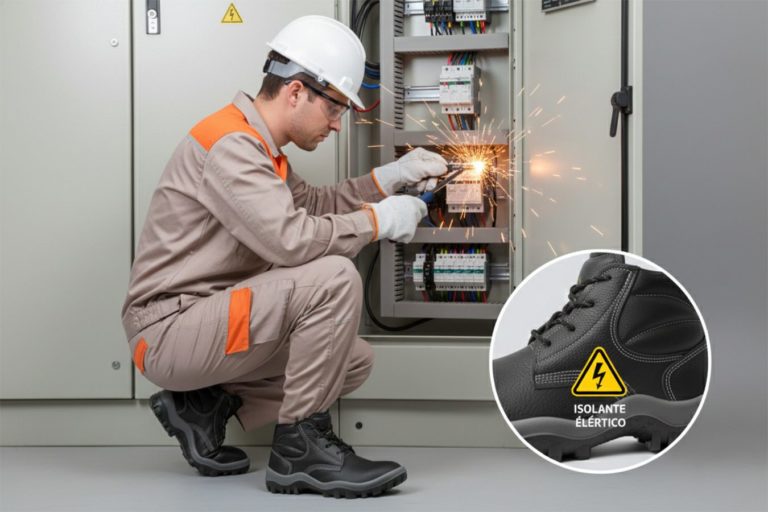
Work involving electricity exposes professionals to serious risks, including electric shocks, arc flashes, and burns. According to data from Abracopel published in Revista Proteção, an average of five electrical accidents occur daily in Brazil, many of them fatal. A large portion of these accidents could be prevented with the proper use of Collective Protection Equipment (EPC) and Personal Protective Equipment (EPI), such as insulating gloves and specific footwear. NR10 is the Brazilian regulatory standard that establishes protection measures for those working with electrical installations and services.
A quality electrician's boot acts as a barrier against electrical current. Unlike common boots, it is designed to insulate electricity, minimizing the risk of a shock traveling through the worker's body. Furthermore, these boots have non-slip soles and other protections, as an electrical work environment can also present uneven surfaces or the presence of sharp objects. Therefore, choosing the appropriate safety footwear is essential — and, above all, decisive for protecting the electrician's life.
Essential Characteristics of an Electrician's Boot
A good electrician's boot has rigorous technical specifications to ensure electrical insulation and complete safety. When researching your EPI, check if the model meets the requirements below:
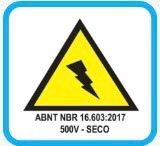
- Certified dielectric insulation: the footwear must be tested according to ABNT NBR 16603:2017, supporting voltages up to 500 volts in a dry environment without allowing current passage. Look for the electrical insulation symbol (usually marked with “500 V” and the word “SECO” on the footwear) and the CA (Certificado de Aprovação) indicating that the model is appropriate for electricians.
- Absence of metallic components: according to safety standards, these boots must not contain metal parts, such as eyelets, buckles, or internal nails. Furthermore, the safety toecap must be made of non-metallic material (such as composite or plastic), preventing any electrical conduction.
- Non-slip and resistant sole: prefer a dual-density polyurethane sole (two layers) or another insulating material that provides excellent grip on the floor. It is important that the sole also has mechanical resistance and durability, as damage can compromise electrical insulation.
- Comfort and stability: electricians often spend many hours on their feet, so the footwear must be comfortable. Features such as a padded collar, breathable inner lining, and comfort insole help provide maximum comfort. The construction should offer a good fit to the feet and ankle support, preventing sprains. Lace-up models generally provide a better fit than elastic ones, increasing stability during work.
- Resistance to other risks: in addition to electricity, ideal footwear protects against impacts and punctures. Check if the footwear's toecap has 200 Joules of resistance (impact standard) and if there is an anti-puncture insole to prevent nails or sharp objects from piercing the sole. These additional features increase protection without compromising electrical insulation, provided the materials are non-metallic.
All these specifications work together to keep the electrician safe. At Safetline, for example, each model is developed rigorously following these guidelines, ensuring that our dielectric boots exceed minimum requirements. Safetline invests in material research to offer lighter footwear (reducing up to 20% of the weight in recent models) without sacrificing protection and durability.
How to Choose the Ideal Electrician's Boot
When acquiring your dielectric boot, some steps can help in the selection: check the documentation, evaluate the design, and consider the work environment. Below are some practical tips:
1. Check the CA and regulatory compliance
All safety footwear must have a valid Certificado de Aprovação (CA). Ensure that the CA of the chosen model includes the indication for use against electric shock (e.g., mentioning 500 V / dry environment). This guarantees that the product has been tested and approved according to ABNT NBR 16603:2017.
2. Observe the upper material
Opt for models made of water-repellent leather (treated to reduce water absorption). These materials offer high durability and contribute to insulation. However, because they are intended for electrical use, these footwear cannot be used in humid environments or in direct contact with water, as the electrical risk, as described in the standard, should not be used in the presence of humidity or water. Additionally, observe the absence of seams in the upper region (instep), as recommended by the standards, to avoid vulnerable points.
3. Prefer lace-up models
As mentioned, lace-up boots generally provide a better fit to the feet. This increases safety, especially if you work at heights or move across uneven terrain, as it reduces the risk of sprains. Safetline offers options for lace-up dielectric boots that combine electrical insulation and excellent ankle support.
4. Consider ergonomics and climate
Ensure that the interior of the footwear has a lining capable of absorbing sweat and promoting ventilation, keeping feet dry during use. Technologies such as the SafetDry™ lining, present in certain Safetline models, contribute to thermal comfort. For those working in hot climates, it is recommended to opt for lighter boots, made with breathable materials, which provide greater well-being throughout the workday.
5. Evaluate the need for extra protections
Consider the specific risks of your environment. If there is a risk of sharp objects on the ground, it is worth choosing a model with a non-metallic anti-puncture insole (for example, made of special fibers) to prevent accidents without compromising insulation. If there is a risk of falling objects, opt for a composite toecap with impact protection (200J).
By following these tips, you will ensure that your boot choice is the most appropriate possible. In case of doubts, Safetline provides consultants and technical content to guide clients in selecting the correct EPI, because our priority is to see every professional well-protected and confident.
Care and Maintenance of Your Dielectric Boot
Acquiring quality footwear is the first step, but knowing how to maintain it is fundamental to ensure its longevity and performance. Some recommendations for use and care for your electrician's boot:
- Regular cleaning: perform regular cleaning, keeping the footwear free of dirt, residues on the sole and upper. For cleaning, use a soft-bristled brush or a dry cloth. Avoid using water or immersion, as this can compromise the dielectric properties of the footwear. After cleaning, leave it in a well-ventilated and shaded place, as excessive heat can also damage the materials.
- Drying and sweat desorption: never store the boot while there is residual sweat. The presence of sweat in the materials can accelerate the degradation of the sole's polyurethane through the hydrolysis process. To preserve the insulating properties and ensure the integrity of the sole, make sure the footwear is completely dry before storing it.
- Use of appropriate socks: prefer cotton socks during work. They absorb sweat and help keep feet dry, contributing to comfort and preventing unpleasant odors. Clean socks daily prevent the proliferation of bacteria inside the footwear.
- Rotation of pairs: if possible, have two pairs of boots and alternate their use daily. This allows each pair to “breathe” and dry completely between shifts, increasing lifespan and insulation effectiveness. This rotation is also a recommended practice in terms of hygiene.
- Periodic inspection: get into the habit of checking the condition of the footwear. If you notice cuts, holes, or wear on the sole, evaluate replacing the EPI. A damaged boot may not offer the same original dielectric protection. Remember: safety is no place for imprudent savings.
With these care practices, your electrician's boots will last longer and protect better. Safetline advises all clients on the proper maintenance of products, reinforcing our long-term commitment to the safety of those who trust the brand.
Safetline: Technology and Trust in Footwear for Electricians
Safetline stands out in the market by offering safety footwear that combines technological innovation and commitment to protection standards. In the electrician's boot segment, it's no different. Our insulating footwear undergoes rigorous electrical and mechanical tests before reaching the end-user. Every detail is considered: from the design without metallic components to the sole with high electrical resistivity.
The company prides itself on being a national manufacturer with the most complete line of safety footwear in Brazil, including models specifically designed for electricians that strictly follow ABNT NBR 16603. Thanks to constant research, Safetline incorporates modern materials such as high-resistance microfibers and advanced polymers, resulting in lighter and more robust boots. Additionally, we offer distinctive features such as high-density anatomical insoles and impact absorption systems in the heel, increasing protection without sacrificing comfort.
As a leader in safety footwear in Brazil with a strong presence in Latin America, Safetline is committed to customer satisfaction from product selection to after-sales support. It is no coincidence that the brand is recognized for the superior durability of its footwear and the specialized technical support it offers. When you choose a Safetline electrician's boot, you are investing in peace of mind and protection that has saved countless lives over decades of field use.
Ensure Your Safety with Safetline Electrician's Boot
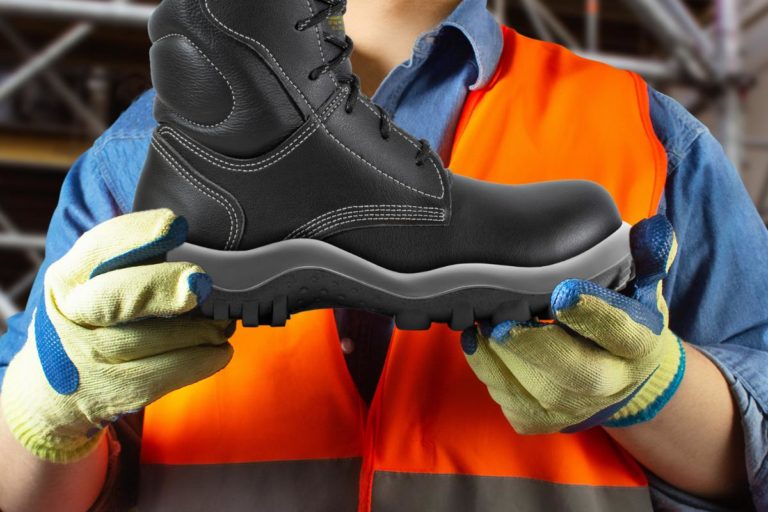
Electricians deal daily with an invisible and potentially lethal danger: electricity. Therefore, one cannot forgo appropriate electrician's boots that comply with ABNT NBR 16603. Choosing the correct footwear means working with confidence, knowing that your feet are protected against shocks and other environmental risks. In this article, we have seen how to identify a good dielectric boot and highlighted how Safetline integrates all these characteristics into its products.
If you are looking for reliable EPI and want to rely on the experience of a traditional brand, Safetline is ready to assist. Browse our product line and find the ideal electrician's boot for your work. Protect yourself against shocks without stepping into risk. Trust those who have been safety specialists for over half a century, contact us and continue performing your profession with total protection and peace of mind!
