
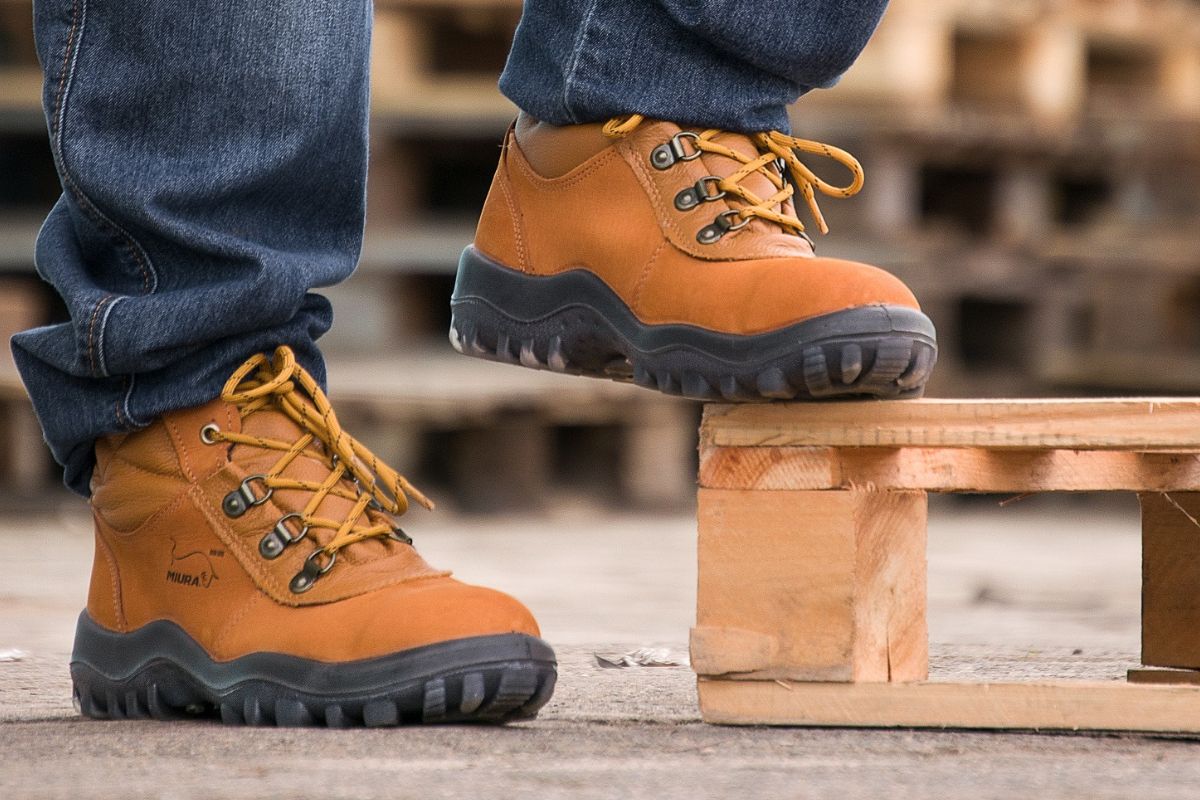
When someone searches for what nubuck is, they usually expect to find a direct definition. However, this question often involves other important points, such as understanding if the material is truly leather, what its main characteristics are, and if it offers sufficient resistance for daily use. In many cases, the search also arises when professionals or companies are evaluating which material to choose for safety footwear.
Safetline addresses this topic objectively. Nubuck is genuine leather, with a velvety finish and a matte appearance, characteristics that result from a specific surface finishing process of the material. This type of leather gained prominence precisely by combining aesthetics and performance, being widely used in professional boots. In safety footwear, nubuck can contribute to comfort, good adaptation to prolonged use, and a distinctive visual finish.
What is nubuck
Nubuck is a genuine leather produced from the top grain, which is the outer and most noble part of the hide. This surface undergoes several light and controlled sandings, a process that creates the soft touch, opaque look, and very short fibers that characterize the material. The result is a leather with a velvety texture, uniform appearance, and a highly recognizable finish.
In some searches, the term also appears as nubuck or nobuck, variations that refer to the same type of material. Regardless of the spelling, the reference remains this genuine leather that receives surface treatment to acquire its characteristic texture.
In practice, these properties help explain why nubuck stands out in the manufacturing of professional footwear. The material combines visual appeal, tactile comfort, and good structural resistance, especially when the footwear design considers factors such as the use environment, sole type, and treatments applied to the leather. For those who wish to delve deeper into this point, Safetline presents a more detailed technical overview on the nubuck leather page.
Is nubuck genuine leather? Yes, and this changes the material's evaluation
There is much confusion between nubuck, suede, and synthetic materials that have a velvety appearance. At first glance, these materials may seem similar, but the difference lies mainly in the origin and structure of the material. The most important point is this: nubuck is genuine leather. What changes compared to traditional leather is the finish applied to its surface.
Nubuck is produced from the top grain, which corresponds to the outer part of the hide, considered the most resistant and noble region of the material. After tanning, this surface receives light and controlled sandings, responsible for creating the velvety texture and characteristic matte appearance. Even with this finish, the leather maintains its firm structural base, which differentiates it from materials produced from the inner side of the leather or synthetic alternatives.
This technical detail is relevant because the material's evaluation should not be limited to appearance alone. In safety footwear, the leather used in the upper needs to be analyzed in conjunction with other elements of the product design. The footwear construction, sole type, presence of a safety toe cap, equipment certification, and the actual use environment are factors that directly influence the footwear's performance.
Therefore, the upper material is part of a larger set of technical decisions. Although nubuck leather alone does not determine the final performance of the footwear, it contributes to important characteristics such as comfort during prolonged use, material breathability, visual finish, and durability when applied within an appropriate design.
How nubuck is produced
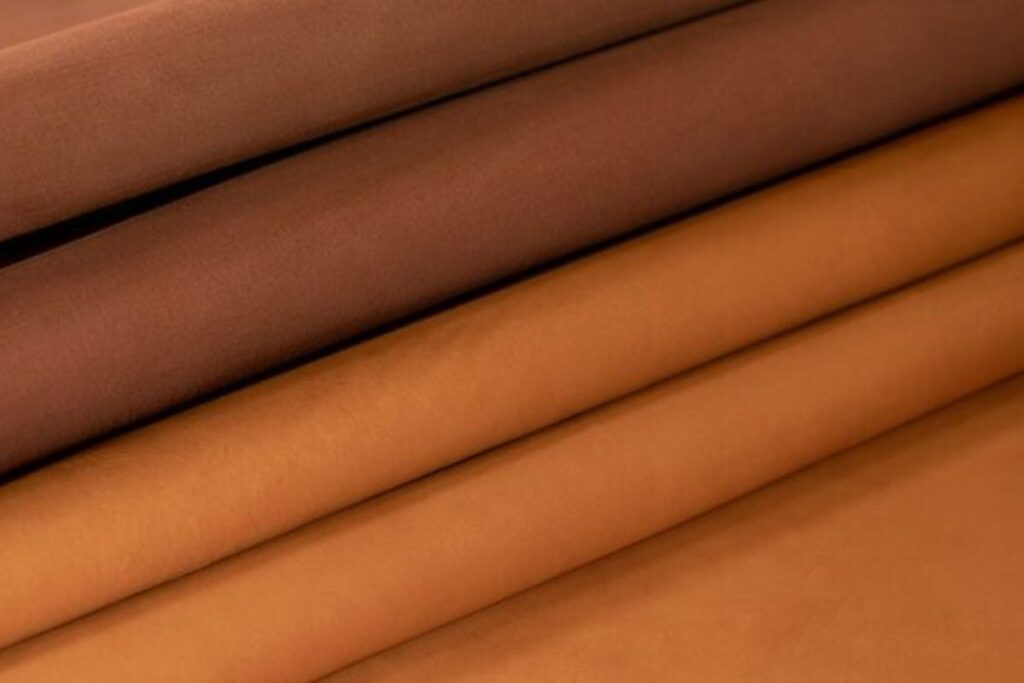
The process that gives rise to nubuck begins with the selection of the leather, an important step to ensure uniformity, resistance, and quality of the raw material. After tanning and re-tanning, the outer surface of the leather, known as top grain, undergoes several sandings, at least 4 stages. This procedure removes part of the natural shine of the hide and creates the characteristic velvety texture of nubuck, maintaining the material's firm structure.
This finish alters the visual aspect of the leather, leaving the material with a more matte appearance and a soft touch. At the same time, the sandings create very short and uniform fibers, which produce a slight variation in tone when a hand passes over the surface, an effect known as ‘writing effect’ or ‘nap variation’. This effect is quite common in leathers with a velvety finish and is usually one of the first signs noticed by those who handle the material.
Even after this process, nubuck preserves the structural base of genuine leather. This means that it continues to exhibit good mechanical resistance and adaptability to the foot's shape, relevant characteristics for footwear manufacturing.
How to identify nubuck leather
To practically identify nubuck, some elements aid observation. The first is the soft, yet firm, touch typical of natural leather. The second is the opaque appearance, without the shine present in smooth leathers. The third is the presence of extremely short and uniform fibers, which differentiates nubuck from materials with a longer texture or an excessively fuzzy appearance.
In a professional context, identification must also consider the treatment applied to the leather and the product's purpose. Depending on the application, the material may receive additional processes to improve moisture resistance or increase its durability. Therefore, in addition to recognizing the nubuck finish, it is important to evaluate whether the material was correctly specified for the type of activity in which the footwear will be used.
Nubuck or suede: what's the difference
Despite appearing similar at first glance, nubuck and suede are not the same thing. Suede is linked to the inner layer of the leather, also known as split leather, tends to have a more rustic appearance, more evident nap, and less wear resistance when compared to nubuck.
| Criterion | Nubuck | Suede |
| Origin | Outer face of the leather, with light sanding | Inner layer of the leather |
| Touch | Short velvety | More fuzzy and rustic |
| Wear Resistance | More resistant than suede | More delicate |
| Appearance | Matte and sophisticated | More rustic |
Nubuck in industrial footwear should not be interpreted as fashion nubuck
In fashion, nubuck is often remembered for its appearance. In a professional environment, the interpretation needs to be more technical. What matters is not just the look of the leather, but the combination of raw material, treatment, stitching, sole, and product purpose. Safetline processes this material within an industrial logic, with its own tannery and application in professional lines that demand a consistent quality standard.
This difference in context changes the purchasing decision. Nubuck used in casual footwear may well serve an aesthetic purpose. However, in safety footwear, the correct choice depends on the actual use scenario, presence of moisture, abrasion level, need for a toe cap, and CA requirement. When the operation requires light and occasional contact with moisture, nubuck with appropriate treatment can be advantageous. When there is excessive water or continuous contact, it is more prudent to seek materials more suitable for this type of use, such as the Waterproof boot and the Safetline waterproof sock, since, although nubuck has water-repellent treatment, it is not recommended for intense work with water.
Why nubuck makes sense in safety footwear
The first reason is comfort. Being genuine leather with a soft finish, nubuck contributes to a pleasant wearing sensation throughout the workday.
The second is breathability. By not receiving paints, nubuck allows for greater air exchange, which makes use more comfortable from a thermal perspective.
The third is professional aesthetics. In many environments, the user wants protection but also values footwear with a more refined appearance.
The fourth is versatility, because nubuck can compose lines that combine occupational performance and striking design.
At Safetline, this reasoning is clearly evident in the Miura line. The brand highlights nubuck in versions such as the Miura caramel, the Miura black, and the Miura coffee, with a velvety finish, water-repellent and hydrophobic treatment, and a recognized comfort proposition within the line.
The Miura in caramel nubuck, in particular, helps tell this story because it has become an emblematic model of Safetline's visual identity.
When nubuck is a good choice and when it is not
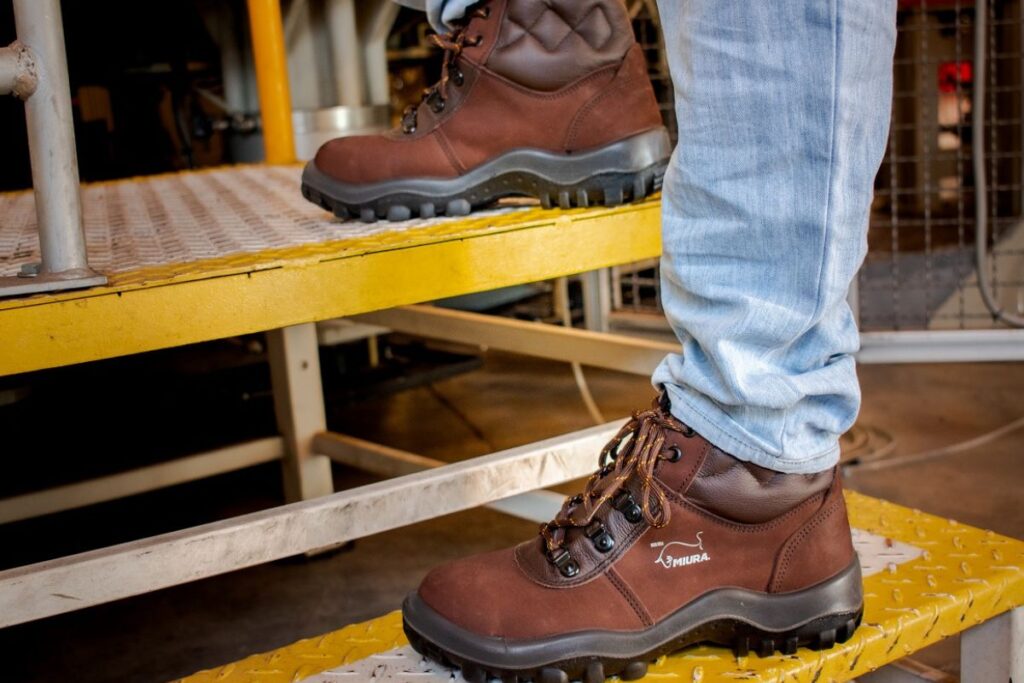
Nubuck leather can be an excellent choice for safety footwear when the work environment demands comfort, good resistance, and a professional finish. Being genuine leather with a lightly sanded surface, the material maintains the firm structure of natural hide and, at the same time, offers a soft touch and comfortable adaptation to prolonged use.
This characteristic makes nubuck frequently used in boots intended for work routines that require constant mobility. In industrial, logistical, and operational activities, the material can contribute to worker comfort throughout the day, especially when the footwear is designed with an adequate structure of sole, upper, and protective components.
Furthermore, nubuck presents a more sophisticated look compared to some other types of leather, with a matte finish and uniform appearance. In many companies, this factor is also considered relevant, as safety footwear becomes part of the worker's professional presentation, without compromising the product's technical requirements.
When nubuck is a good choice
Nubuck tends to be a good choice when the operation seeks genuine leather that combines comfort, resistance, and a good finish. It works well in environments where contact with moisture occurs occasionally and in a controlled manner, without continuous exposure to water or extreme conditions.
In scenarios such as maintenance, logistics, industrial production, and various operational activities, the material can offer good performance when integrated into footwear developed specifically for the type of risk present in the environment. In these cases, nubuck contributes to important characteristics such as leather breathability, comfort during prolonged use, and a more refined appearance of the footwear.
Another relevant factor is that natural leather tends to gradually adapt to the foot's shape over time. This characteristic can improve the sensation of comfort over time, especially during long work shifts.
When nubuck may not be the best choice
Despite its advantages, nubuck should not be treated as a universal solution for every work environment. Even when treated for moisture repellency, this type of leather is not designed for situations of constant submersion or for environments with intense and continuous exposure to water.
In operations with frequent presence of heavy mud, standing water, or aggressive chemical agents, the choice of footwear material needs to be even more judicious. In these situations, the leather can suffer accelerated wear if the material has not been specifically developed for this type of condition.
Therefore, the definition of the upper material must always consider the actual context of use. The appropriate choice depends on the activity performed, the level of exposure to moisture or substances, and the demands of the work environment. When these factors are correctly evaluated, it becomes possible to select safety footwear that delivers comfort, protection, and durability over time.
How to care for nubuck in the workplace
Correct conservation begins with routine, not just cleaning. The ideal is to remove superficial dirt with a soft-bristled brush, let the footwear dry in a cool, airy place, and never accelerate the process with strong sun, a drying oven, heater, or intense heat. This point is central because excessive heat dries out the leather and shortens the footwear's lifespan.
After complete drying, maintenance must respect the material's finish. For nubuck, it is safest to use an appropriate brush and products compatible with this type of leather, avoiding improvisation and homemade products. The logic is to preserve the material's touch and surface, without soaking the upper or altering its texture. In professional use, rotating pairs and using appropriate socks also help reduce sweat accumulation and premature wear.
Frequently asked questions about nubuck
Is nubuck leather or synthetic?
Nubuck is genuine leather. What differentiates it is not the material's origin, but the velvety finish obtained by light sanding of the outer part of the hide.
Are nubuck and suede the same thing?
No. The two materials may appear similar visually, but nubuck comes from the top grain of the leather and tends to offer more resistance. Suede is linked to the inner face and usually has a more rustic and delicate appearance.
Can nubuck get wet?
Light and occasional contact with moisture can be managed when the leather receives water-repellent treatment, but this does not make the material suitable for excessive water or continuous submersion. In high-humidity operations, footwear selection should consider more specific treatments and constructions.
Is nubuck good for safety footwear?
It can be excellent, provided the model is developed for the correct risk. In safety footwear, nubuck works best when associated with a complete design, with an adequate upper, compatible sole, protective components, and a valid CA.
Choose the right leather for your safety footwear
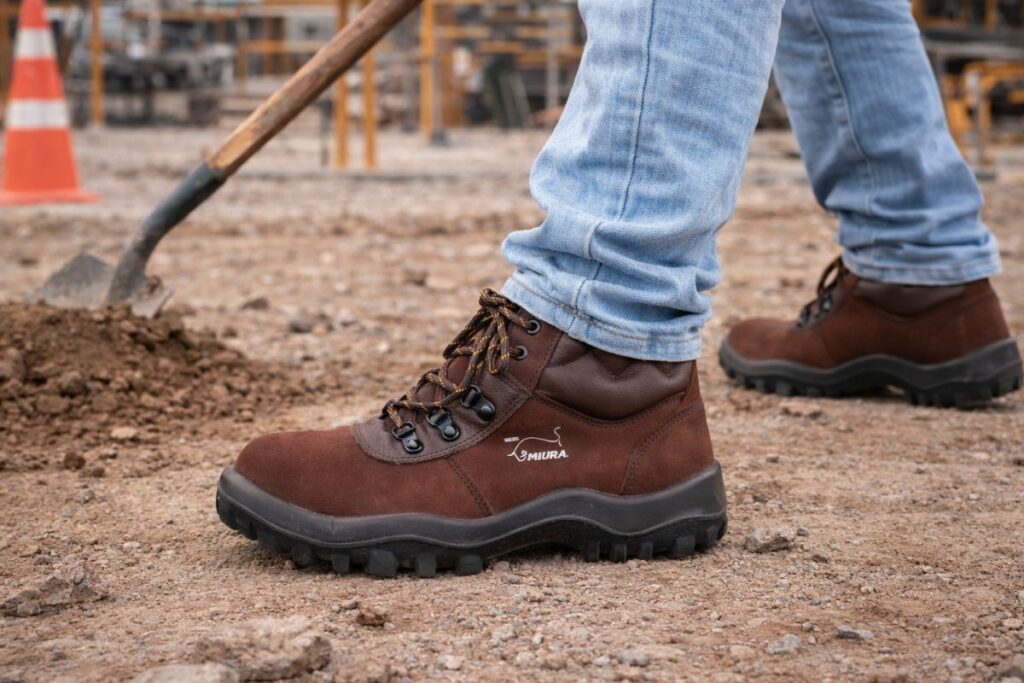
Understanding what nubuck is helps avoid specification errors. It's not just about a beautiful leather. It is a genuine, technical material with real potential to deliver comfort, superior finish, and good performance when applied correctly. At Safetline, this choice makes sense because the material is integrated into a development structure focused on professional use.
If your company is looking for safety footwear with the correct materials for each routine, it's worth moving to the next stage of the funnel and exploring Safetline's products. This way, the choice ceases to be generic and begins to practically consider risk, environment, comfort, and durability.