

Working exposed to intense cold, such as in cold storage chambers of refrigeration facilities or refrigerated areas, poses serious health and safety risks to the worker. At negative temperatures (reaching -20°C or -30°C), the body enters vasoconstriction and reduces blood circulation in the extremities to preserve heat. Without adequate protection, feet can suffer numbness, skin ulcers, and even severe cases of immersion foot (an injury caused by prolonged cold and moisture in the feet). There is also a risk of hypothermia (a dangerous drop in body temperature), which decreases motor and reaction capabilities, increasing the chances of accidents. Cold and painful feet reduce employee productivity and concentration.
In addition to physical risks, Brazilian labor legislation requires the use of appropriate PPE in cold environments. Regulatory Standard 36 (NR-36) mandates that employers provide specific protection for workers in cold storage chambers, including thermal boots. That is, the use of refrigeration boots is not optional; it is mandatory by standard (supported by the Ministry of Labor). More than just complying with the law, adopting this footwear protects against occupational diseases and absences, preserving employee health.
Investing in quality refrigeration boots is worthwhile: it prevents serious injuries, keeps feet warm and safe, and ensures that professionals perform their tasks comfortably even in extreme cold. Safety and well-being go hand in hand, and the refrigeration boot is an essential ally for both.
Features and Technologies of the Safetline Refrigeration Boot
Safetline offers in its portfolio the microfiber refrigeration boot from the Linha Branca, a safety footwear specially developed for intense cold environments. This model incorporates advanced materials and technologies to protect against accidents and low temperatures. Key highlights of the Safetline Refrigeration Boot:
Water-repellent and resistant Microfiber
The upper (outer part) is made of white water-repellent microfiber, a synthetic material that is water-resistant, durable, lightweight, easy to clean, and maintains its color without yellowing. Microfiber is easy to sanitize, preventing the proliferation of bacteria and odors, which is important in humid refrigeration environments. Furthermore, the white color combined with the smooth design (with minimal seams) facilitates the visualization of dirt, prevents the accumulation of residues in the seams, and ensures compliance with the sanitary requirements of the food industry.
Thinsulate™ Thermal Insulation
The boot's internal lining uses advanced Thinsulate thermal regulator, a blanket of ultrafine synthetic fibers that retains body heat and blocks the entry of cold. This efficient insulation maintains the ideal foot temperature throughout work, preventing freezing and keeping them dry (Thinsulate also allows sweat to escape). Thanks to this technology, the Safetline boot has been tested for use in environments from -32°C to +50°C, ensuring thermal protection without making the footwear excessively heavy or bulky. Even in frozen chambers, feet remain warm and comfortable thanks to efficient insulation. Outside these environments, Thinsulate acts as a thermal regulator, preventing excessive heat and perspiration, which eliminates the need to remove the boot to wear other footwear, ensuring practicality, cost reduction, and comfort in any situation.
Anti-slip Sole
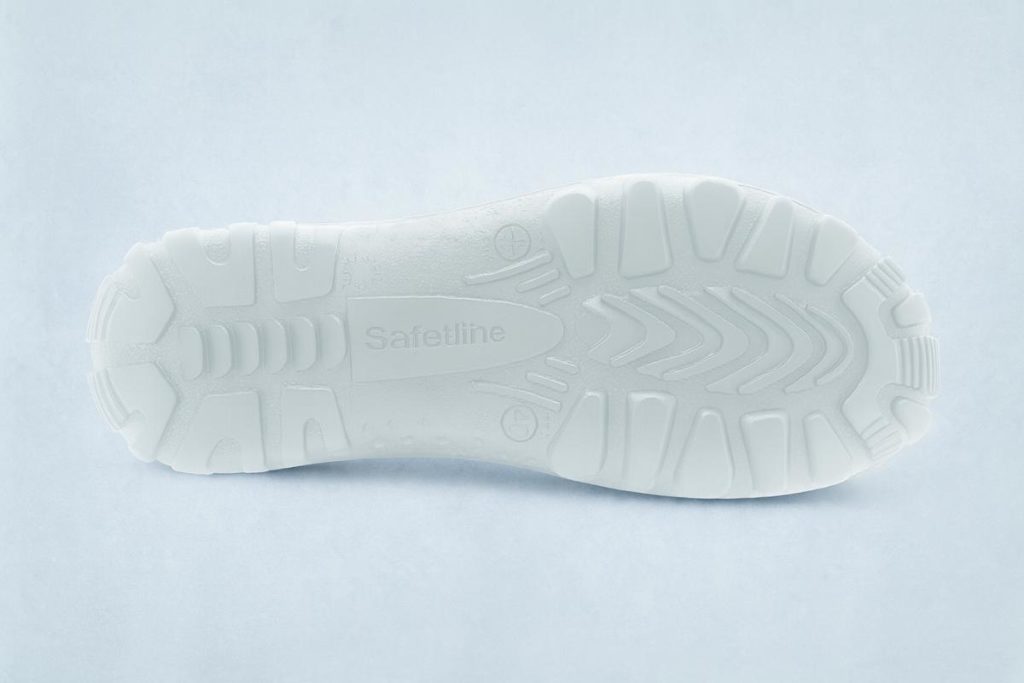
The Safetline refrigeration boot offers the option of being manufactured with the Falcon dual-density PU (double-layer polyurethane) sole, directly injected into the upper. The expanded PU midsole is light and soft, providing excellent impact absorption while walking, while the compact PU outer layer offers high durability and grip.
This sole features deep lugs and grooves (SRC) for maximum slip resistance on wet or slippery floors (common in cold storage chambers), ensuring stability when walking on ice or wet residues. Additionally, it includes an integrated anti-torsion bar, which enhances balance and prevents twists. The result is much safer footwear, reducing the risk of falls even in adverse conditions.
Protective Toecap
In addition to offering thermal protection against low temperatures, the refrigeration boot can be manufactured with different types of toecaps depending on the usage environment. Where there is a risk of falling objects, a steel or composite safety toecap is used, ensuring protection against impacts and compressions. In locations where this risk does not exist, the plastic toecap is an option, providing greater lightness and comfort without compromising the thermal insulation necessary for activities in cold storage chambers and similar environments.
Hygienic and Comfortable Clean Design
Safetline's Linha Branca was designed for environments that demand rigorous hygiene and prolonged comfort. The refrigeration model features a smooth finish, with minimal cuts and seams, which prevents the accumulation of residues or fluids in the footwear's folds and facilitates daily cleaning (a simple wash with neutral soap is enough to keep it sanitized).
The hygienic insole is antibacterial and removable, aiding in odor control and drying. All of this ensures ergonomic comfort during working hours: the worker can move, squat, and walk with flexibility, as the footwear adapts well to the foot. Despite being robust, the boot does not cause excessive discomfort; on the contrary, it offers good mobility and reduces the feeling of fatigue throughout the shift. By combining high comfort, thermal protection, and durability, Safetline has created PPE that protects without sacrificing user well-being.
Another important feature is the shaft height. The Safetline Refrigeration Boot features a medium shaft (approx. 27 cm internal height), completely covering the ankles and part of the calf. This higher shaft forms a barrier against cold air entering through the top of the footwear and also protects the leg against any splashes of water or ice. The model offers a front Velcro closure option, making it quicker and more practical to put on and take off. This system ensures a good fit of the boot on the feet, aids in thermal sealing, and also allows for adjusting the looseness as needed, providing more comfort in low-temperature environments.
Thus, every detail of the Safetline boot has been designed for the refrigeration environment: from the water-resistant outer material to the thermal lining, from the adherent sole to the anatomical shape, everything works together to keep the foot warm, dry, and protected from the dangers of cold.
Benefits in Daily Use and Maintenance Tips
Choosing the Safetline Refrigeration Boot brings immediate benefits to daily work. Professionals equipped with this footwear feel their feet always warm, which prevents distractions caused by pain or loss of sensation. With comfortable feet, workers can maintain their productivity and perform tasks with agility, even in freezing temperature environments.
In addition to being complete PPE that eliminates the need for improvisations or extra accessories, the Safetline refrigeration boot provides immediate protection against various risks simply by wearing it. Employees who previously showed resistance to wearing safety boots report greater comfort with this model, thanks to efficient thermal insulation, the soft insole, and the use of Thinsulate technology, which acts as a thermal regulator. This means that, outside of cold storage or refrigerated environments, the user does not experience excessive heat and their feet do not sweat, eliminating the need to remove the boot to wear other footwear. Thus, occupational health is preserved, and team performance significantly improves when everyone is properly protected against the cold without sacrificing comfort in different conditions.
To maximize the durability and performance of your refrigeration boot, some usage and maintenance care are important:
- Wear appropriate socks: Never wear the boot barefoot or with damp socks, as this can cause discomfort and increase the risk of freezing. Keep your feet dry and well-dressed to enhance the footwear's insulation.
- Drying and storage: After work, remove the internal insoles and allow the boots to air dry in a dry, ventilated place. Do not expose the boots to direct heat sources (such as ovens, fire, or strong heaters) in an attempt to dry them quickly; excessive heat can damage the microfiber. Instead, let them dry naturally at room temperature. Avoid storing footwear that is still damp or dirty inside closed lockers; residual moisture can lead to fungi or bad odors. Store the boots clean and dry, preferably in an airy place, ready for next use.
- Regular cleaning: Maintain the footwear's hygiene by cleaning it periodically. The white microfiber surface can be cleaned with a damp cloth and neutral soap, removing blood stains, grease, or other residues typical of the refrigeration environment. Due to its few folds, dirt is easily removed. Never use aggressive chemical products (such as solvents or pure chlorine) that could degrade the microfiber or lining; they are not necessary. Simple and frequent cleaning ensures the professional appearance of the PPE and prevents contamination, especially important in the food industry.
Note: always follow the cleaning procedure required by your company to ensure compliance with internal and safety standards. - Inspection and replacement: Like any safety equipment, refrigeration boots must undergo regular inspections to ensure their effectiveness and durability. It is important to check if the sole maintains its anti-slip grooves in good condition, observe the integrity of the microfiber to identify possible damage, and verify that the thermal lining is clean and free of residues or dirt. Safetline manufactures highly durable products, but wear and tear are normal over time. Also, pay attention to the validity of the Approval Certificate (CA) of the footwear; all PPE has a CA issued by the Ministry of Labor, which indicates its compliance with standards. Replace boots that show significant damage, such as holes, cracks, or a smooth sole, as these problems compromise safety and efficiency during the activity. Preventive replacement ensures that the worker is always protected and using the PPE in its best condition, avoiding risks and guaranteeing adequate performance in the refrigeration environment.
By following these guidelines, your refrigeration boot will have an extended lifespan and maintain optimal performance. Remember: well-maintained safety footwear not only lasts longer but also protects better. Proper maintenance of PPE is a fundamental part of workplace safety.
Protect Your Team with the Safetline Refrigeration Boot
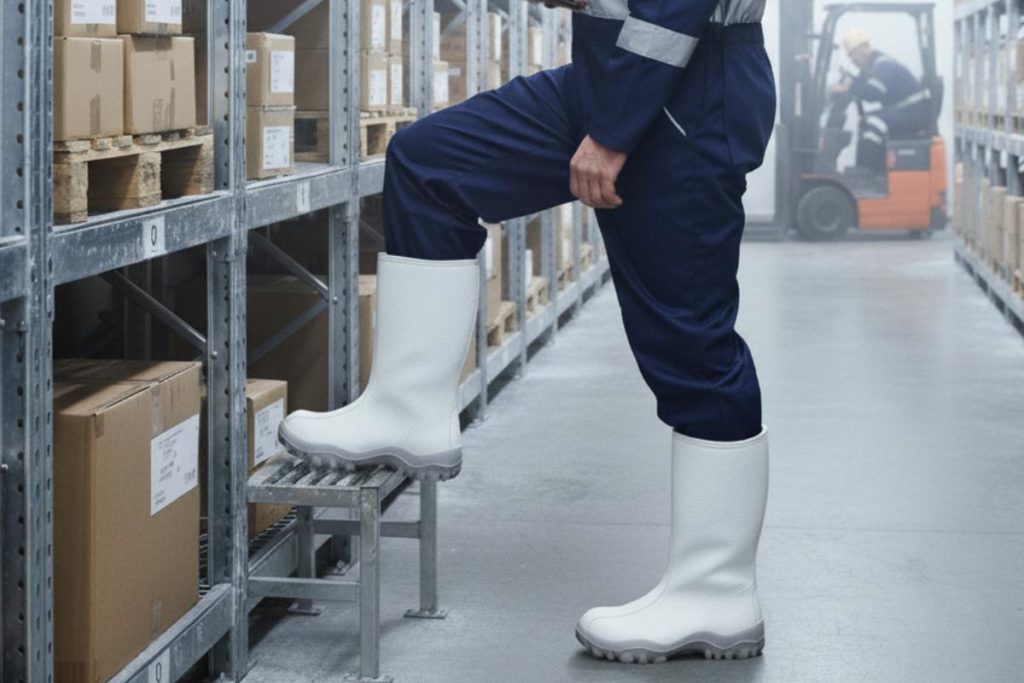
Working in cold storage chambers without proper protection is not just uncomfortable; it is extremely dangerous. The refrigeration boot thus emerges as an indispensable item for those dealing with occupational cold. It protects worker health, preventing serious injuries and ensuring compliance with safety standards. Unlike common boots, the refrigeration boot was custom-made for this challenge: it keeps feet warm, dry, and safe, even in adverse temperature and humidity conditions. It is not a luxury, but a necessity; after all, preserving the physical integrity of the employee is a priority in any operation.
Safetline, a specialist in safety footwear for over 50 years, is proud to offer one of the best refrigeration boots on the market. Thanks to the quality of this product, Safetline received a distinguished award in 2019, recognizing it as one of the leading suppliers of footwear for cold storage chambers in the country. This reinforces the confidence that, by choosing our equipment, you are opting for proven technology and excellence.
The Safetline Refrigeration Boot provides thermal comfort, accident protection, and legal compliance, all in a single piece of footwear. If your goal is to protect your team and maintain productivity even in extreme cold, rely on Safetline's experience. Don't let the cold paralyze your operations! We are ready to help with tailored solutions. To learn more details or request a quote for the refrigeration boot, contact Safetline right now. Keep your feet warm, and your work safe!