

In the quest to keep footwear in perfect condition, many professionals carefully store them in the closet, believing this will preserve their quality. However, Safetline warns of a little-known problem that can affect footwear stored for too long: the dreaded hydrolysis. This chemical phenomenon causes polyurethane (PU) outsoles of safety footwear to literally disintegrate, even without constant use. It's frustrating to take your footwear out of the closet and find the sole crumbling, but here you will understand why this happens and how to avoid this unpleasant surprise.
What is hydrolysis in footwear?
Hydrolysis is, in simple terms, the breaking of a material's chemical bonds by the action of water. That is, water molecules (even in the form of vapor present in the air) react with components of the material, weakening its structure.
In the context of footwear, the target is polyurethane (PU), a polymer widely used in outsoles and midsoles for its lightness, flexibility, and impact absorption. Although resistant, polyurethane is not immune to hydrolysis. Over time, environmental humidity attacks the internal bonds of the PU, which begins to lose its structure and cohesion.
The result is an outsole that cracks, crumbles, or even detaches in small pieces, similar to ricotta cheese falling apart. In other words, the sole chemically “rots.” This explains why footwear can deteriorate even when stored: degradation occurs slowly, without visible signs at first, but accelerates under certain conditions.
Why does safety footwear suffer from hydrolysis?
Modern safety footwear generally features bi-density PU outsoles (layers of polyurethane of different densities) due to their excellent properties of comfort and durability. However, this material has a weak point: its reaction with moisture over the years. Even when stored in seemingly dry environments, traces of air humidity can penetrate the outsole and initiate the degradation process. Several factors contribute to hydrolysis occurring sooner or later:
- Prolonged storage time: The longer the footwear remains unused, the greater the chance of hydrolysis occurring. When idle, the PU slowly absorbs moisture and weakens its internal bonds. Many notice the problem precisely when trying to use footwear stored for years.
- Hot and humid environment: High temperatures and high relative humidity accelerate the chemical reaction. In humid tropical climates (like much of Brazil), a PU sole can last less than half the time it would in a dry climate. Storing footwear in poorly ventilated places, such as closed closets, only worsens the situation by creating a humid microclimate.
- Lack of use and flexion: Surprisingly, idle footwear can deteriorate faster than regularly used footwear. The movement and flexion of the sole help maintain the characteristics of the PU, preventing polymer particles from separating too early. Without any mechanical stress, the material remains “dormant” and vulnerable to the continuous action of moisture.
- Dirt and retained moisture: Storing dirty or damp footwear is a recipe for accelerating hydrolysis. Mud, soil, or sweat present in the footwear retain water in contact with the sole, intensifying decomposition. Furthermore, fungi can proliferate in damp materials and contribute to deterioration.
- PU composition and quality: The resistance of a polyurethane sole to the hydrolysis process is directly linked to the quality of the polymer used, the appropriate selection of chemical additives, and the precision of the formulation employed. Polyurethane, when produced with high-performance raw materials and correct stabilizers, exhibits excellent durability and maintains its mechanical properties.
Signs and consequences of hydrolysis
The consequences of hydrolysis in footwear become evident when the problem is already advanced. You may notice cracks, fissures, or crumbs coming off the sole. In extreme cases, when bending the sole, it can break into pieces. This compromises not only the aesthetics of the footwear but, above all, its functionality and safety. A cracked or crumbling sole loses its ability to protect against punctures, slips, and impacts, putting the user at risk. Therefore, it is essential to inspect safety footwear stored for a long time before using it for activity, so you are not caught by surprise in the middle of work with a disintegrating shoe.
How to prevent hydrolysis and prolong footwear life
Hydrolysis may be inevitable over many years, but it is possible to significantly delay the problem with a few simple precautions. Safetline recommends the following practices to prevent your footwear from deteriorating prematurely:
1. Use your footwear periodically
Do not leave your PPE unused for long periods. Whenever possible, wear your safety footwear, even if only for a few minutes, or alternate between pairs so that none remain completely idle. Movement helps keep the polyurethane active and stable. Remember: idle footwear deteriorates faster; maintaining a rotation of use can add years to its lifespan.
2. Store in a dry and ventilated place
After use, store footwear in a cool, airy, and moisture-free environment. Avoid closed closets, hot environments, or proximity to heat sources. Places with temperatures below ~30 °C and humidity below 70% are ideal for preventing hydrolysis; although these conditions are not always achievable, it is worth choosing the driest location in the company or home to store PPE.
3. Keep footwear clean and dry
Clean your footwear regularly, removing dirt from the outsole and the insole. Before storing, ensure they are completely dry (inside and out). Remember: clean and dry footwear preserves much better than dirty or soaked footwear, ensuring greater resistance and lifespan.
4. Use silica gel or desiccants
A valuable tip is to place silica gel sachets with stored footwear, either inside the box or hanging in the closet. Silica gel absorbs ambient air moisture, keeping the environment dry and retarding hydrolysis. There are even specific products for this, such as rechargeable sachets and humidity indicators, a simple solution that makes a difference. Just remember to replace or regenerate the silica according to instructions, as it loses effectiveness once saturated.
5. Avoid excessive heat and direct sunlight
Never leave your safety footwear exposed to the sun for long periods or near intense heat sources (such as ovens, boilers, car trunks in the sun). Heat accelerates chemical reactions and exacerbates hydrolysis. Prefer to dry footwear naturally in the shade.
6. Footwear maintenance
Well-maintained footwear as a whole tends to last longer and retain its original properties for an extended period. To ensure that safety attributes are not compromised, it is essential to always follow the manufacturer's recommendations regarding the use of cleaning and maintenance products. This way, you ensure not only greater durability but also the proper performance of the footwear in work situations.
By following these tips, you will significantly increase the lifespan of your safety footwear. It is important to establish a maintenance routine: just as we service machinery and equipment, PPE also deserves regular attention. Small preventive actions avoid accidents tomorrow and preserve your investment in quality footwear.
Safetline Commitment: Quality that Makes a Difference
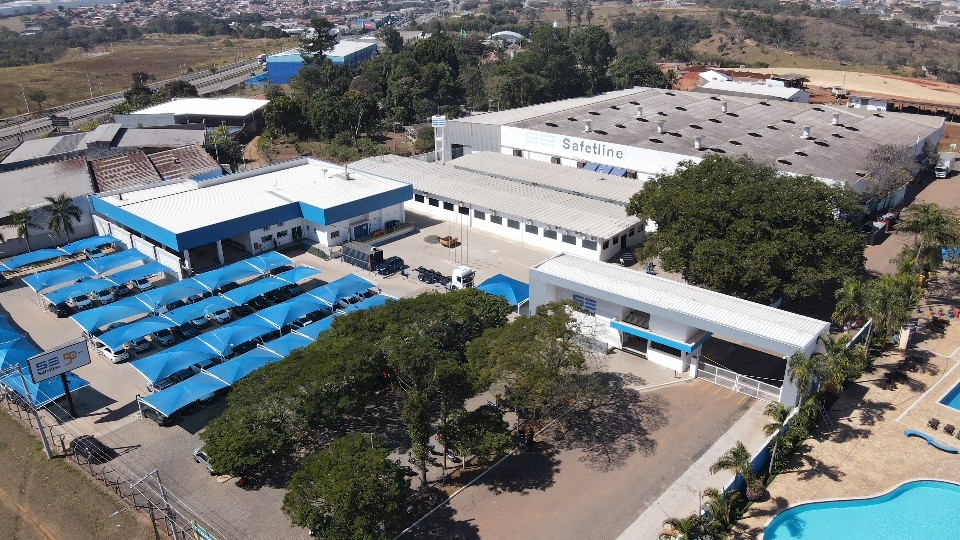
Safetline has been synonymous with quality and technology for over 50 years, manufacturing the most complete line of safety footwear in Brazil. All this experience is reflected in the commitment to offering durable and reliable products. While some in the market may use lower-quality materials to cut costs (and end up producing less durable outsoles), Safetline does not compromise on excellence. Each Safetline shoe is made with selected raw materials and undergoes rigorous testing to ensure maximum protection for the worker's feet.
Understanding hydrolysis is crucial for properly caring for your safety footwear. By following storage and usage guidelines, you can avoid the frustrating scenario of seeing your brand-new footwear crumble without warning. If your footwear is already showing signs of degradation, it might be time to invest in a new pair. Safetline is proud to offer safety footwear with high durability, ready to face demanding routines without letting you down. Contact us or explore our Safetline product line, protect your feet without headaches, and count on us to walk alongside you in your safety.
Personal Protective Equipment (PPE) essential for protecting workers' feet in various environments, such as industries, in the field, and electrical services. Also check out the complete guide to safety footwear as PPE to learn more about types, standards, and how to choose the ideal model.