
Slip Resistance

Slip Resistance

Slip resistance is one of the most important properties of safety footwear, as it provides greater stability and helps reduce the risk of falls on different types of surfaces.

This characteristic is classified into three main levels according to technical standards: SRA, SRB, and SRC. Each classification is related to specific test conditions, allowing the performance of the footwear to be evaluated in different situations.

Therefore, making the right choice helps the footwear provide the necessary grip for the working environment conditions, aiding in accident prevention and offering greater safety to the worker during their activities.

Slip Resistance Classifications

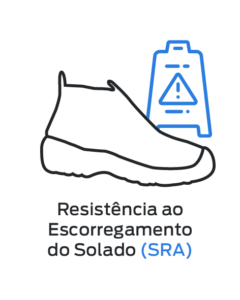
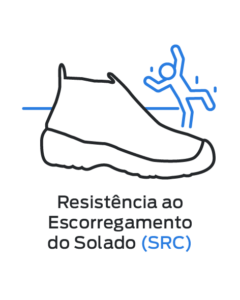
SRA: tested on ceramic tile floor with detergent solution. SRB: tested on steel floor with glycerin. SRC: combines both tests, encompassing both SRA and SRB classifications.

Attributes

  • Outsole Slip Resistance (SRA)
  • Outsole Slip Resistance (SRB)
  • Outsole Slip Resistance (SRC)

Important

Falls and occupational accidents caused by slips can be prevented using proper professional footwear—that is, footwear featuring a slip-resistant outsole.

Slip resistance (coefficient of friction) aims to ensure user safety when walking on surfaces containing water, oil, detergent, or other slippery substances, as well as inclined or declined floors.

It is important to highlight that footwear performance also depends on floor surface conditions and external factors unrelated to the PPE. Therefore, absolute "non-slip" footwear does not exist, but rather products offering higher or lower levels of slip resistance.

The slip resistance classification is mandatory and listed on the Approval Certificate (CA), ensuring the legal compliance of the PPE.

Need safety footwear with this technology?

Our technical team recommends the right models for your operation and prepares a tailored quote.